Business two-way radio
Business two-way radio for your whole team
Press one button and your crew hears you: on site, across town or across the country. Rugged push-to-talk radios running Zello, with the network, device management and data plan run by us. Works alongside the radios you already own.
Hardware
Two-way radios that run Zello
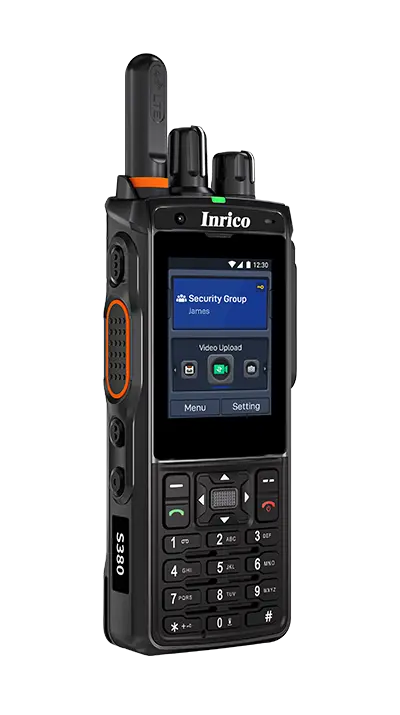
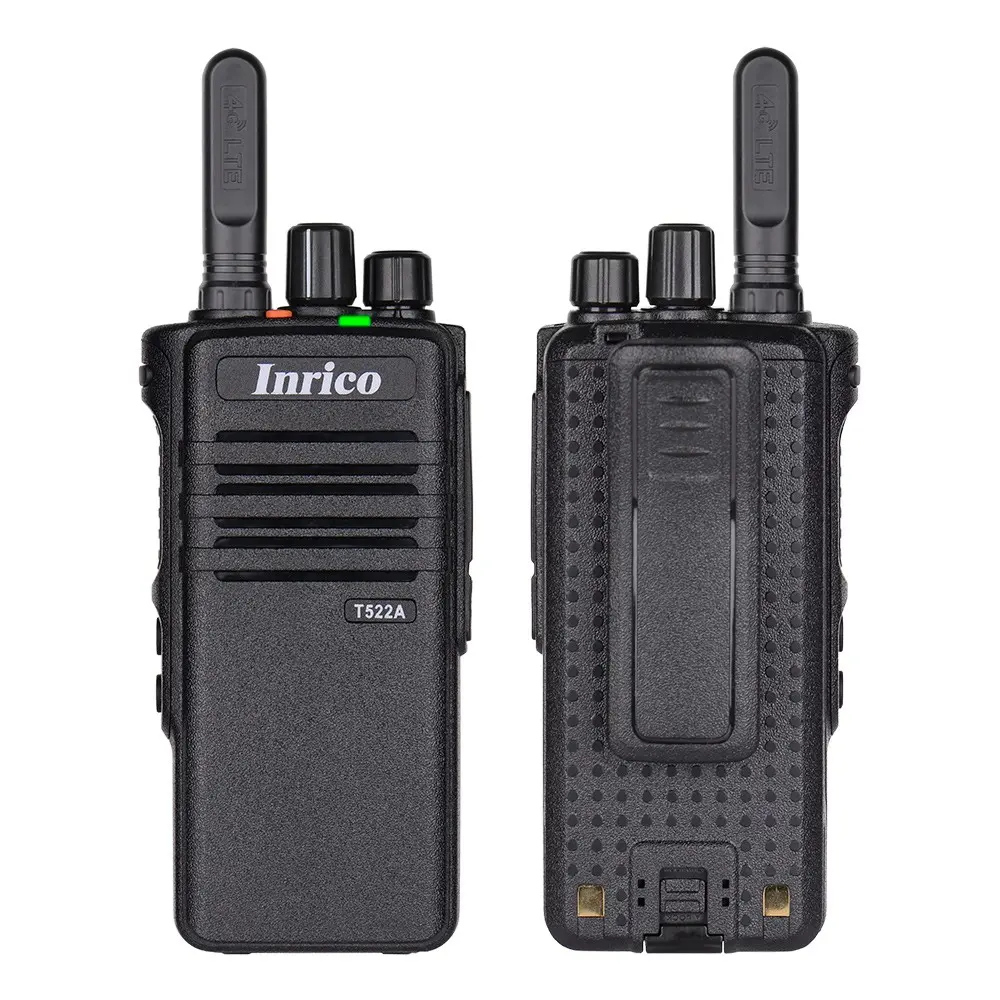
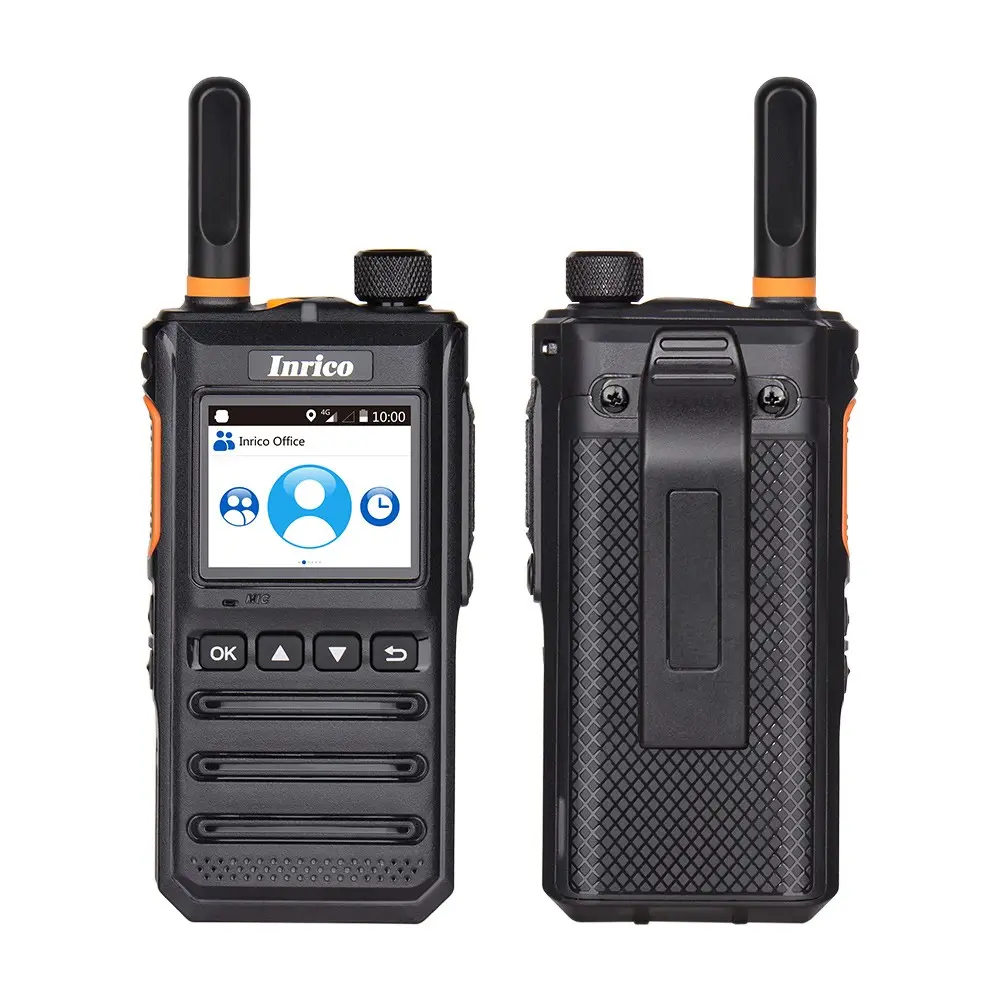
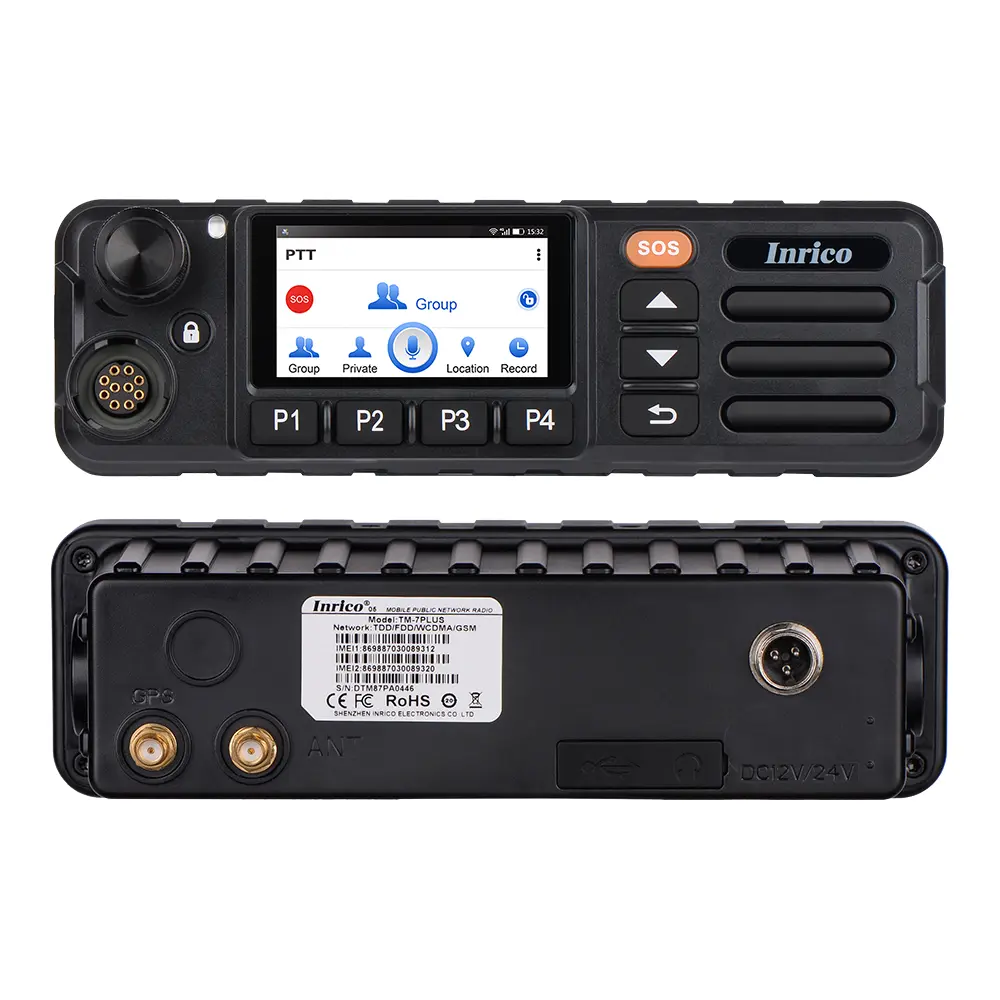
Choose from screen-free handhelds, rugged display radios, keypad models and vehicle terminals, all Android push-to-talk radios running Zello. Radios are sold separately in our online store from $199, and every one ships configured and assigned to its user.


Pricing
From $24.95 per user, per month. No minimum, no lock-in.
Managed Zello Core is $24.95 per user per month and Managed Zello Plus is $34.95. Every plan includes the managed Zello network, enterprise device management, a multi-carrier SIM and data plan, and 24/7 US-based support, with channels set up before delivery and every add, swap and change handled by us. Radios are sold separately, from $199 in our online store. Add a Zello Dispatch Hub seat for $19.95 per dispatcher per month. Coverage depends on the sites you operate, so every quote starts with a free coverage check. The pricing guide explains what is inside the number and how it compares with buying a licensed system.
Short answer
What is this, in plain English?
It is a walkie-talkie service. Your team carries rugged radios that work like the walkie-talkies they already know: press to speak, and everyone on the channel hears you right away. The difference is range. The radios run Zello, a push-to-talk platform, and send audio over cellular and Wi-Fi, so they reach 99.6% of the US with no FCC license or repeater. We set up the radios and run the service for you. The industry calls this push-to-talk over cellular.
Coverage model
Radio simplicity without a local coverage footprint
Keep the one-button experience crews already know, while voice travels over supported cellular and Wi-Fi networks instead of infrastructure you have to build and maintain.
One-button operation
Press to talk, release to listen. No menus to learn mid-shift and no smartphone workflow to train around.
Cellular and Wi-Fi transport
Voice rides supported LTE and Wi-Fi networks, so the working area follows network availability rather than a tower you own.
No antenna to install
A Zello two-way radio needs no customer-owned repeater, FCC license or coverage engineering exercise.
Faster to stand up
Radios arrive signed in to Zello and assigned, so a fleet can go live in a fraction of the time a conventional radio system takes.
Managed service
What Integrated Radio manages for you
Shipping a radio is easy. Operating a communications fleet is the hard part. And that is the part we take on.
Zello network administration
Users, channels, roles and permissions in the Zello Management Console, with every move, add and change handled for you.
Multi-carrier data plan
A data SIM that can use more than one carrier network, activated and managed by us.
Ready before it ships
Radios are enrolled, signed in to Zello, assigned and configured before they ship, so they arrive ready for the field.
Channel design
Zello channels structured around your departments, sites, job functions or operating workflows.
Device management (MDM)
Every radio enrolled in enterprise MDM: policies, app controls, Wi-Fi, PTT key mapping, and remote lock, wipe and locate.
Ongoing support
Adds, moves, changes, troubleshooting and fleet growth, handled by people who know your deployment.
Communications
Voice and dispatch built for operations
Everything a dispatcher and a field team need to coordinate, from Zello Dispatch Hub on a PC or Mac. No console hardware to install.
One-to-one and group talk
Live voice to one person or a whole channel, with broadcast channels for one-way announcements.
Zello Dispatch Hub
Desktop dispatch for PC and Mac: calls logged for replay, real-time location and dispatch channels. $19.95 per dispatcher per month.
Control who talks to whom
Channel user-roles and permissions decide who can talk, who only listens and who reaches dispatch.
Voice, text and photos
Send texts, photos and more alongside voice on the same Zello channels.
Transcription and translation
Managed Zello Plus turns voice messages into text and translates them, so nothing is lost on a loud shift.
Crosslink with partners
Zello Crosslink lets you talk with outside organizations, such as contractors, on shared channels.
Location and safety
Location, safety and accountability
Know where the team is, route emergencies to people who can act, and keep a record of what happened. See how security teams use it.
Live location
Real-time location of every Zello user on a map in the Management Console and Dispatch Hub. Google Maps traffic comes with Plus.
Breadcrumb history
On Managed Zello Plus, breadcrumb history shows where a radio has been, for coordination and after-action review.
Status and battery
See each user's status and battery life, so a flat radio is spotted before it matters.
Emergency Alerts
With Managed Zello Plus, a panic button sends an alert to designated channels with the user's location attached.
Sign-in reports
See who signed in, when and on which device, for shift accountability.
Encryption and security
Private network, encryption and two-factor authentication. Zello holds SOC 2 Type II and ISO 27001 certifications.
Remote lock and locate
Device management can locate, lock or wipe a lost radio and keep it locked to Zello.
Accountability
Message Vault on Managed Zello Plus archives voice and messages for search, playback and export after a shift.
Location and safety features depend on the device, configuration, cellular, Wi-Fi and GPS availability, and your plan. Emergency Alerts, Message Vault and breadcrumb history require Managed Zello Plus. Not a substitute for 911 or code-required life-safety systems.
Using your existing radios
Keep existing radios in the conversation
Not every customer wants to replace a working local radio fleet on day one. Zello’s gateway with traditional radios, included in Core and Plus, can connect selected radio systems with your Zello users. Gateway hardware is scoped per site.
Facility radio users talking with regional and mobile Zello users
Extending your existing radio system to remote and traveling teams
Connecting operations that run across several sites
Connecting to an existing dispatch desk
Best fit
When a Zello two-way radio is the right choice
A Zello two-way radio suits teams that want a purpose-built radio in the hand rather than a smartphone, with managed channels, location and dispatch behind it.
A purpose-built radio rather than a smartphone
Wide-area push-to-talk beyond a single site
Central dispatch from a PC or Mac with Zello Dispatch Hub
Live location for accountability, with breadcrumb history on Plus
Emergency Alerts with location, on Managed Zello Plus
Fleet-wide device management with remote lock and locate
Vehicle and mobile radio options for fleets
Connecting to radios you already own
Questions
Common questions about Zello two-way radios
Short, direct answers to what buyers ask us most about business two-way radio on Zello.
What is Zello?
Zello is a push-to-talk platform with over 5 million monthly active users, according to Zello. Zello Work, its business edition, runs on our rugged two-way radios and carries the audio over cellular and Wi-Fi instead of a local repeater.
Do we need an antenna installed?
No. A Zello two-way radio needs no customer-owned repeater, FCC license or coverage engineering. Voice travels over supported cellular and Wi-Fi networks.
Does it work over Wi-Fi?
Yes. The radios run Zello over Wi-Fi as well as cellular data, which is useful inside warehouses, hotels and other buildings with strong wireless coverage. We configure the Wi-Fi settings through device management.
How far will the radios work?
Radios communicate wherever supported cellular or Wi-Fi connectivity is available, so the working area follows network availability rather than the range of a tower you own. Coverage is confirmed against your specific sites and routes before deployment.
Can I see radio locations?
Yes. Zello shows each user's real-time location, status and battery life in the Management Console and in Zello Dispatch Hub. Historical breadcrumb tracking and Google Maps traffic come with Managed Zello Plus.
Can dispatch communicate directly with one employee?
Yes. Zello supports live voice to one person as well as to a whole channel, from a radio or from a Zello Dispatch Hub seat on a PC or Mac. That keeps routine one-to-one traffic off the shared channel.
Can we create different groups for departments or sites?
Yes. Zello channels are designed around your departments, sites, job functions or shifts. Channels are unlimited on every plan, and Integrated Radio maintains them as the organization changes.
Can Integrated Radio manage the radios for us?
Yes. That is the core of Managed Zello. We run the Zello network, enroll every radio in device management, supply the multi-carrier data plan, and handle changes, troubleshooting and fleet growth.
Can this connect to the radios we already own?
Often, yes. Managed Zello Core and Plus include Zello's gateway with traditional radios. The gateway hardware and compatibility with your system are assessed per site before we commit to it.
Is there a radio that is safe around fuel and gas?
We do not offer an intrinsically safe radio. The Sonim XP Pro and XP5plus rugged phones run Zello and carry Class I Division 2 non-incendive ratings. Suitability is assessed per site against your area classification.
What happens if cellular coverage is unavailable?
Where there is no supported cellular or Wi-Fi connectivity, a Zello radio cannot pass traffic. For sites with known gaps we review the options during design, including Wi-Fi and a gateway to an existing local radio system.
Can we add radios later?
Yes. Adding users is a routine change request. New radios are enrolled, signed in to Zello and shipped configured, and billing adjusts per user.
Prefer Zello on a rugged phone?
The same Managed Zello service runs on rugged phones such as the Sonim XP5plus and Samsung Galaxy XCover Pro. Compare Core and Plus to choose your feature set.
Get started
Talk to Integrated Radio
Send us your current inventory and site list. We will come back with coverage, interoperability and pricing in one document.