
Utilities
Two-way radios for utility crews
Your crews and meter readers cover more ground than almost anyone, and they work alone a lot of the time. We put them on Zello channels over a multi-carrier SIM, on rugged devices, with a live map of where everyone is.
Short answer
Does this replace our operational radio system?
The problem
What gets in the way
A utility’s service territory rarely matches the coverage of a conventional radio, and building more towers is slow and costly. Meter readers and contractors usually do not carry a radio at all, so they rely on personal phones, which brings reimbursements, no central control and calls that go unanswered. Supervisors have little view of where people are when a storm or a leak moves the priorities. Bringing in mutual aid or contractors means handing out equipment, or leaving them out of the conversation.
How we set it up
How the channels are set up
We set up channels by district, crew or function: line crews, gas or water crews, meter readers, contractors and the control room or operations desk.
A dispatcher on a Zello Dispatch Hub seat reaches one crew or everyone, and sees devices on a live map to send the closest one. Rugged phones can run your field apps too, with device management controlling what is installed. A multi-carrier SIM reaches further than a single carrier, and we check coverage against your territory first, because remote areas can still have gaps. Contractors can be added to a channel for the duration of a job, then removed. On Managed Zello Plus, an Emergency Alert sends a worker’s location to the channels you choose, Message Vault keeps a searchable record, and breadcrumb history shows where a crew has been. Emergency Alerts are not a substitute for 911 or code-required life-safety systems.
Example channels and calls
What each channel sounds like
Sample field coordination traffic, written to show how each channel gets used. None of it is a switching or grid operations order.
Operations deskDispatch and crew leads
“Outage reported on Oak Street. Who’s closest to go take a look?”
Line crewsLine crews and their supervisor
“We’re on Oak Street. Tree’s down across the road, so we need traffic control out here.”
Gas and water crewsField crews and their supervisor
“We’re at the hydrant on Fifth. Need a second truck for the cones and signs.”
Meter readersMeter readers and their supervisor
“Gate’s locked at the last house on my route. Marking it for a return visit.”
ContractorsContractor crews for the length of a job
“Contractor crew checking in at the yard. Where do you want the trucks?”
Typical use cases
Where it gets used day to day
Dispatching the closest crew to an outage or leak
Meter reader routes and supervisor support
Storm response across districts
Bringing contractors and mutual aid onto a channel
Lone worker visibility with live location
Field training for new starters
Yard and warehouse coordination
Reports with photos from the field
The radios
A typical utility setup
Line and field crews usually carry the Sonim XP Pro, meter readers the Sonim XP5plus or Telox TE320, and trucks take the Inrico TM-7Plus. A Zello Dispatch Hub seat at the operations desk reaches any crew at once, and Managed Zello Plus adds Emergency Alerts with location and a searchable record.
Keep a licensed system where you need it and connect it through radio interoperability. See business two-way radios for every handheld and vehicle option.

Rugged Android smartphone
Sonim XP Pro
The toughest full-screen phone we supply, with a big PTT button and an SOS key.
$599.00
Rugged PTT device
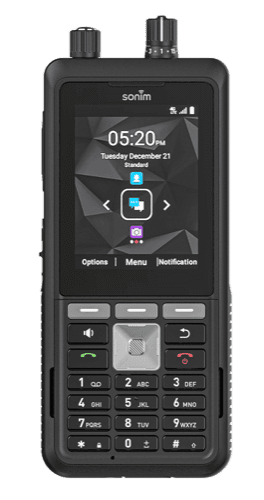
Sonim XP5plus
Feels like a radio, runs the Zello app. Physical buttons, no hunting on a screen.
$499.00

Handheld radio
Telox TE320
A rugged, IP68 radio with a color screen and a two-day battery.
$259.00
Vehicle and mobile
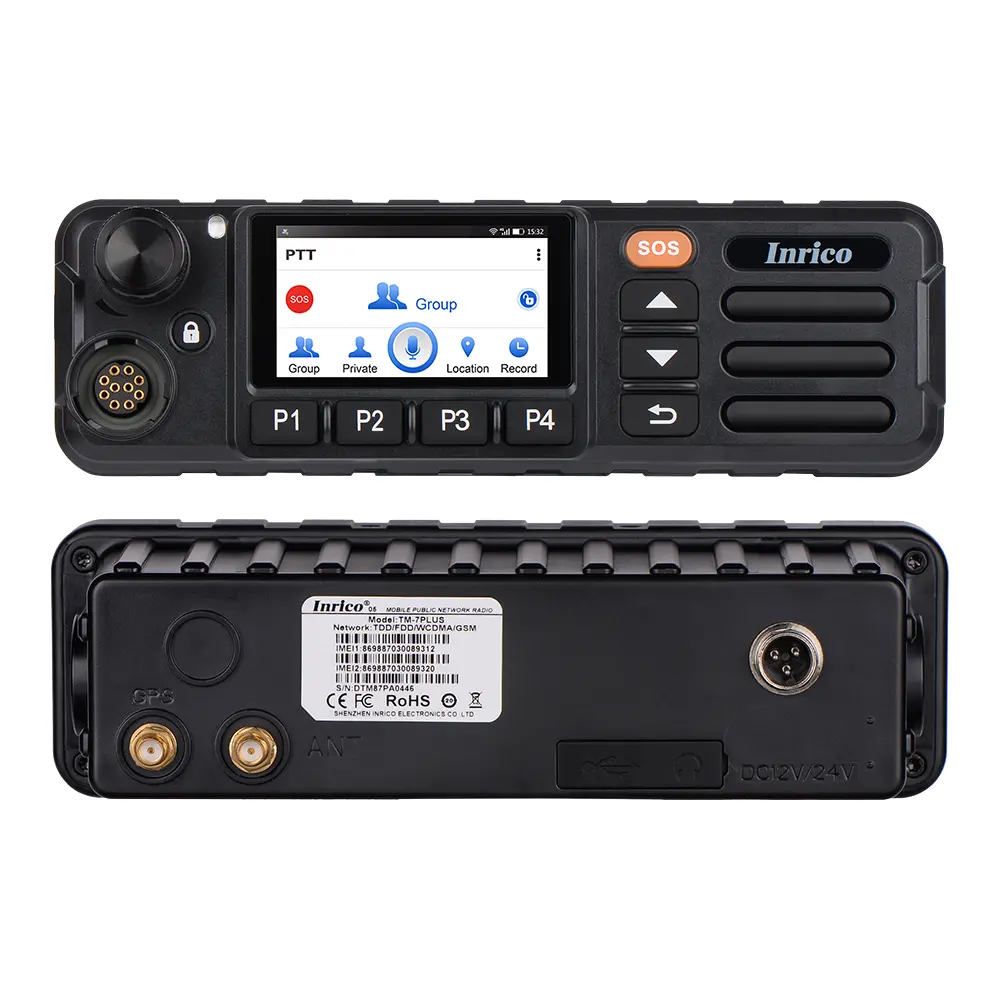
Inrico TM-7Plus
A cab-mounted radio with a touchscreen, a 20 W speaker and camera inputs.
$299.00
Recommended solution
What we would recommend
Managed Zello Plus on rugged devices is usually the right fit for field crews, because Emergency Alerts and Message Vault matter on this work. Meter reading and support teams often start on Core, and an operations desk adds a Dispatch Hub seat.
Questions
Questions utility teams ask us
What operations managers and field supervisors want to know before they commit.
What about areas with no cell coverage?
Zello needs a data connection, so it will not work where there is no cellular or Wi-Fi. A multi-carrier SIM reduces the gaps but does not remove them. We check your territory first, and where a licensed radio is still needed, it stays in place.
Can it link to our licensed radio system?
Often, yes, with the right equipment. The Zello radio gateway can link selected channels to an existing radio system. We confirm the specific system during sales engineering.
Can it run around gas or other hazardous areas?
Only on hardware rated for it, and standard radios are not. The Sonim XP Pro carries Class I, II and III Division 2 non-incendive ratings, and we confirm suitability against your area classification per order.
How do you handle workers on their own?
Zello does not run timed check-in prompts. Supervisors see live location, status and battery, and on Managed Zello Plus an Emergency Alert sends the worker’s location to the channels you choose. It is not a substitute for 911 or code-required life-safety systems.
Can contractors use it during a storm?
Yes. We can add contractors or mutual aid crews to channels for the duration of the work, on a device or on a compatible phone, then remove them when the job is done.
Related
Related industries

Municipal and public works
Streets, water and parks crews across town, every plow on the yard’s map, and a Zello radio gateway to the county system for storm response.
Read more

Construction
Trades, deliveries and safety compete for the same channel. Managed Zello splits them into channels we restructure as the site changes, with no repeater to move.
Read more

Facilities and property management
Maintenance teams cover several buildings on one managed Zello account, reachable at every property without a radio system at each site.
Read more
Get started
Tell us how your team works today
Send us your service territory, your crew count and how the field reaches operations today. We will come back with coverage, hardware and pricing in one document.